Urgent service
Bed Bug Extermination in Salt Lake City
Bed bugs are the one pest problem where doing it yourself usually makes things worse. Over-the-counter sprays and foggers scatter a localized population into adjoining rooms and walls, turning a one-bedroom problem into a whole-house problem — and doubling the eventual bill.
Salt Lake City sees bed bugs the way every metro area does: in apartments and multi-family buildings downtown and in South Salt Lake, in student housing, in hotels along the airport and I-15 corridors, and in single-family homes after travel or a used furniture purchase.
- Typical cost
- $400–$1,000 per room chemical; $1,200–$3,000 whole-home heat treatment
- Timeline
- Chemical: 2–3 visits over 4–6 weeks. Heat: often one day, plus verification
- Season
- Year-round; travel-driven spikes after summer and the holidays
Signs to look for
- —Small rust-colored spots along mattress seams, box spring edges, or the headboard
- —Bites in lines or clusters on skin exposed while sleeping
- —Translucent shed skins or pepper-like fecal specks in the bed frame joints
- —A sweet, musty odor in a heavily infested room
Confirm it is actually bed bugs first
Bites alone prove nothing — people react to fleas, mites, spiders, dry Utah air, and stress in similar ways, and roughly a third of people have no visible reaction to bed bug bites at all. Physical evidence is what matters.
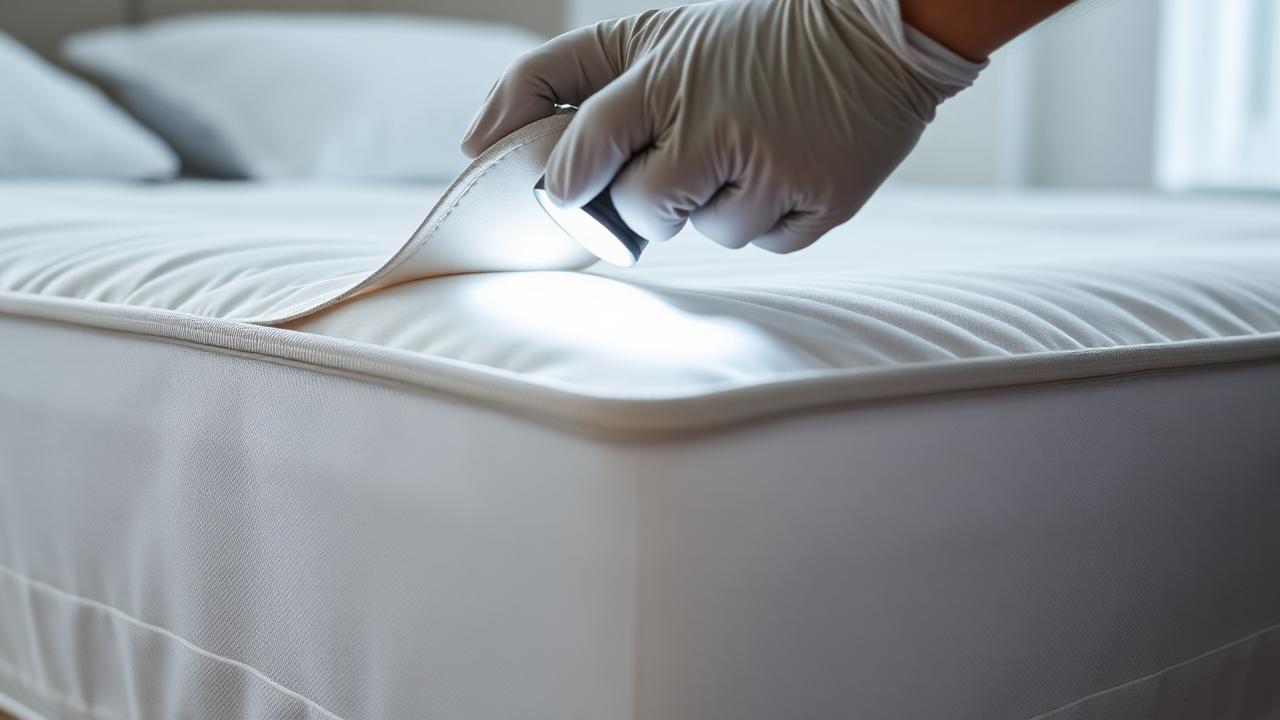
Pull the fitted sheet and inspect the mattress piping, the box spring edge and underside, the screw joints of a wooden bed frame, and the seam where carpet meets the wall behind the headboard. Bring a flashlight and a credit card to run along seams.
Keep any specimen you find in a sealed bag. A confirmed identification changes both the treatment plan and the price.
Heat versus chemical treatment
Whole-room heat treatment raises the space to roughly 120–135°F for several hours, killing all life stages including eggs, in one session. It is fast, it does not require dismantling everything, and it is the strongest option for heavy or multi-room infestations. It costs more, and heat alone leaves no residual, so re-introduction is still possible.
Chemical treatment uses residual products, dusts in voids, and often growth regulators across two or three visits spaced two weeks apart to catch newly hatched nymphs. It costs less per room and leaves residual protection, but it demands much more preparation from the resident and takes longer to reach zero.
Many Salt Lake providers now do a hybrid: heat the heavily infested room, apply residual products to adjoining rooms and the perimeter, and verify at two weeks.
Preparation determines the outcome
Follow the provider's prep sheet exactly. Typically: launder all bedding and clothing from the room on the hottest safe cycle and dry on high for at least 30 minutes, bag treated items in sealed plastic, pull the bed frame away from the wall, empty nightstands, and vacuum thoroughly then discard the bag outside.
Do not throw out the mattress on impulse. Encasements are far cheaper, and dragging an infested mattress through the house and down a shared hallway spreads bugs along the entire route.
Do not move to the couch. Bed bugs follow the carbon dioxide. Sleeping in another room is one of the most reliable ways to spread an infestation through a house.
Apartments and landlord responsibilities in Utah
In multi-family buildings, treating one unit rarely resolves the building. Bed bugs travel through shared walls, outlets, and hallways, and the units on either side and above and below should be inspected.
Utah does not have a bed-bug-specific statute, but the state's fit-premises requirements generally place responsibility for habitability on landlords. Report in writing, keep dated photographs, and keep copies of every communication. Written records matter far more than phone calls if the situation escalates.
Staying clean after treatment
Use quality zippered encasements on the mattress and box spring and leave them on for at least a year. Install interceptor cups under the bed legs — they cost a few dollars and give you an early warning system for the next twelve months.
After travel, unpack in the garage, run everything washable through a hot dryer cycle, and keep luggage off hotel beds and out of the closet in the first place. The vast majority of residential Salt Lake infestations begin with a suitcase.
Common questions
How much does bed bug treatment cost in Salt Lake City?
Single-room chemical treatment generally runs $400 to $1,000, and whole-home heat treatment $1,200 to $3,000 depending on square footage and how many rooms are involved.
Can I get rid of bed bugs myself?
Rarely. Foggers and store sprays disperse the population without killing eggs, which makes the eventual professional treatment larger and more expensive. Encasements and interceptors are worth doing yourself; killing an infestation generally is not.
How soon can I sleep in the room again?
After heat treatment, typically the same evening once the room cools. After chemical treatment, once surfaces are dry — usually a few hours. Keep sleeping in the treated bed; leaving it spreads the problem.
Service details by area
Related guides
More reading
Disclaimer
Disclaimer: SLCPestControl.com is a free service to assist homeowners in connecting with local service providers. All contractors/providers are independent and SLCPestControl.com does not warrant or guarantee any work performed. It is the responsibility of the homeowner to verify that the hired contractor furnishes the necessary license and insurance required for the work being performed. All persons depicted in a photo or video are actors or models and not contractors listed on SLCPestControl.com.