Most-requested service
Spider Control in Salt Lake City
Spiders are the number one pest complaint in the Salt Lake Valley, and it is not close. The combination of dry bench habitat, mature landscaping, and homes built against open foothill ground gives spiders exactly what they want, and the late-summer mating season puts the big ones in the middle of the living room floor.
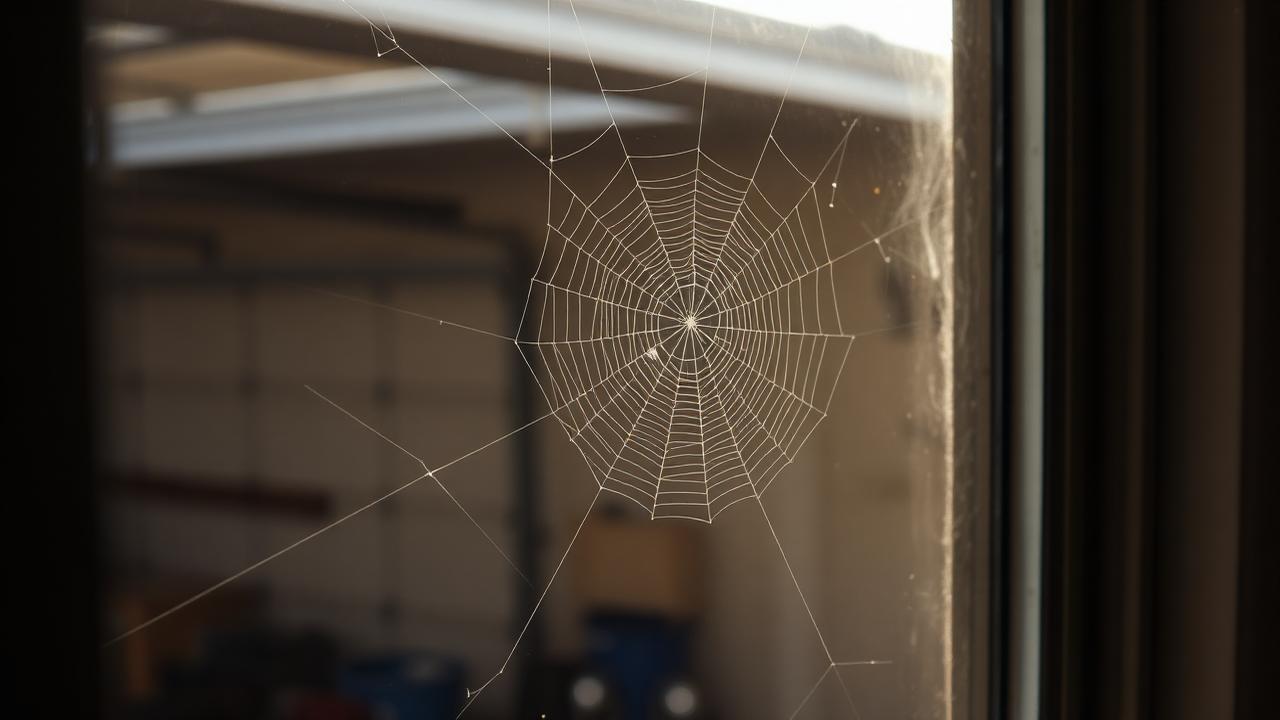
Spider control is mostly indirect: reduce the insects spiders eat, remove the webs and egg sacs they build on the structure, and treat the harborage they hunt from.
- Typical cost
- $110–$200 initial with de-webbing; $45–$75 quarterly
- Peak season
- August through October, when males wander to mate
- Species that matter here
- Hobo, funnel weaver, wolf, cellar, black widow
Signs to look for
- —Funnel-shaped webs in window wells, woodpiles, and foundation cracks
- —Webs reappearing in eave corners days after removal
- —Large wandering spiders on basement floors in late summer
- —Papery egg sacs in the garage, crawl space, or shed
The species you will actually see
Hobo spiders and their relatives the grass and funnel weavers build sheet webs with a funnel retreat in window wells, foundation cracks, and garage corners. They are the classic Utah basement spider.
Wolf spiders do not build webs; they hunt on the ground and are the large fast spider that crosses a basement floor at night. Cellar spiders — the long-legged ones in the corner of the garage — are harmless and actually eat other spiders.
Black widows are present throughout the valley in window wells, under deck stairs, in meter boxes, and in stacked landscaping block. They are shy, but they are the one species worth removing carefully rather than casually.
Are hobo spiders dangerous? The honest answer
For decades hobo spiders were blamed for necrotic wounds in the Pacific Northwest and Intermountain West. Subsequent research has not supported that, and the CDC removed hobo spiders from its list of venomous spiders of concern in 2017.
Black widow bites are genuinely medically significant and warrant a call to Poison Control. Brown recluse are not established in Utah despite frequent claims — misidentification is extremely common.
The practical takeaway: most spiders in a Salt Lake home are a nuisance, not a hazard, but nobody enjoys sharing a basement with them.
Why de-webbing is half the job
Removing webs and egg sacs from eaves, porch ceilings, window frames, and the foundation line does two things: it removes the next generation, and it makes it obvious whether new activity is occurring after treatment. A single egg sac can hold hundreds of spiderlings.
Spiders do not groom themselves the way insects do and pick up much less residual product from a surface. That is why a service that only sprays and skips the pole de-webbing tends to underperform on spiders specifically. Ask whether de-webbing is included on every visit or only the initial.
Kill the food supply and the spiders leave
Spiders follow insects, and insects follow light. Switch exterior fixtures to warm LED or sodium-toned bulbs, which attract dramatically fewer flying insects than cool white and mercury vapor. Move the light away from the door if you can.
Reduce harborage: stack firewood away from the house and off the ground, clear leaf litter and dense juniper against the foundation, and screen window wells with fitted covers. Window wells are the single most productive spider habitat on the average Utah home.
What professional spider service looks like
An initial visit includes a full exterior de-web, residual treatment along the foundation band, eaves, window and door frames, and window wells, plus crack-and-crevice work in the garage and any basement activity areas. Dusts go into wall voids and window well weep gaps where liquids do not reach.
Quarterly maintenance keeps it there. Along the east benches — the Avenues, Cottonwood Heights, Draper, and anywhere backing open foothill ground — many homeowners step up to bimonthly service from July through October, which is when the wandering males show up indoors.
Common questions
Why are there so many spiders in my Salt Lake City house?
Dry bench habitat, irrigated landscaping that concentrates insect prey, exterior lighting, and homes with window wells and gaps at ground level. Late summer adds the mating season, when males wander indoors.
Do spider sprays actually work?
Residual sprays help, but spiders pick up less product than insects do. The reliable results come from combining treatment with de-webbing, egg sac removal, window well screening, and reducing the insects they feed on.
Should I worry about a black widow in my window well?
Take it seriously but not fearfully. Remove it and the egg sacs, wear gloves when reaching into wells and under deck stairs, and have the wells screened. Bites are rare and almost always defensive.
Service details by area
Related guides
More reading
Disclaimer
Disclaimer: SLCPestControl.com is a free service to assist homeowners in connecting with local service providers. All contractors/providers are independent and SLCPestControl.com does not warrant or guarantee any work performed. It is the responsibility of the homeowner to verify that the hired contractor furnishes the necessary license and insurance required for the work being performed. All persons depicted in a photo or video are actors or models and not contractors listed on SLCPestControl.com.