Health-risk pest
Cockroach Control in Salt Lake City
Cockroaches are less common in the Salt Lake Valley than in humid climates, and that works against homeowners in one specific way: people here assume a roach sighting is a fluke and wait. German cockroach populations double roughly every month under good conditions, and a delayed response is what turns a kitchen problem into a whole-building problem.
The species matters enormously. One of the three common species in Utah lives and breeds indoors; the other two mostly wander in from outside. The treatment plans are completely different.
- Typical cost
- $150–$400 German roach initial; $300–$800 for heavy multi-visit cleanouts
- Timeline
- 2–4 visits over 4–8 weeks for German cockroaches
- Season
- Indoor species year-round; outdoor species push in during summer heat and fall cooling
Signs to look for
- —Roaches visible during daylight, which indicates a large population
- —Pepper-like droppings in drawer corners, under sinks, and behind appliances
- —Egg cases glued in warm cabinet corners or under appliance lips
- —A musty, oily odor in a heavily infested kitchen
- —Smear marks along the top of baseboards in humid areas
Know which species you have
German cockroaches are small, tan, with two dark stripes behind the head. They live indoors permanently, prefer warm humid voids in kitchens and bathrooms, and reproduce fast. They arrive in grocery bags, used appliances, cardboard, and secondhand furniture, and they are the reason for most serious infestations.
Oriental cockroaches — dark, glossy, and slower — live in cool damp spaces: floor drains, crawl spaces, window wells, and sewer connections. In Salt Lake they are the classic older-basement roach and a strong indicator of a moisture or drain issue.
American cockroaches are the large reddish-brown ones found in sewers, steam tunnels, and commercial buildings. They wander in individually far more often than they establish in a home.
Why baiting beats spraying for German roaches
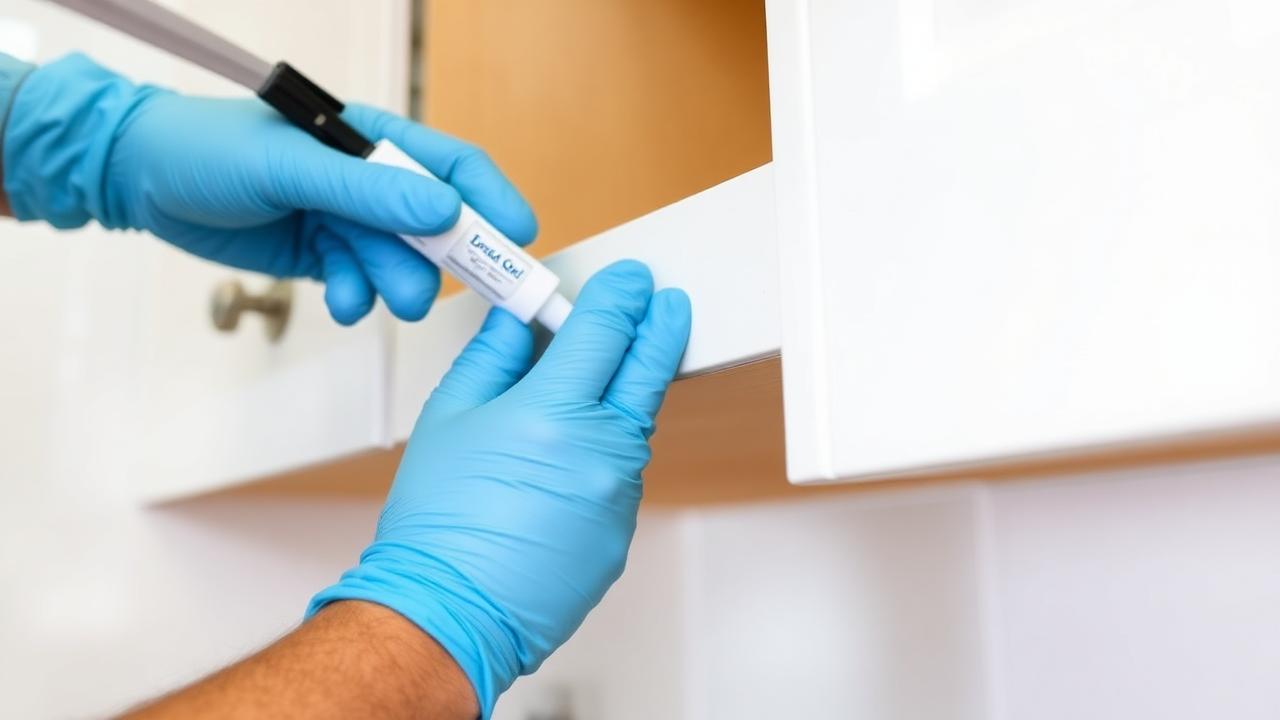
Gel bait works through the population: roaches feed, return to harborage, and the active ingredient moves through the colony by contact and coprophagy. Applied as many small placements in cracks, hinges, and voids, it reaches insects you never see.
Broad spraying does the opposite. It kills exposed adults, repels the rest deeper into voids and adjoining units, and can contaminate bait placements so roaches stop feeding on them. Foggers from a hardware store are the classic way to scatter a kitchen infestation into the rest of an apartment building.
A professional German roach program is bait plus growth regulator plus targeted dust in voids, with follow-up visits at two-week intervals to catch nymphs hatching from egg cases that products cannot penetrate.
Sanitation is not an insult, it is the lever
German cockroaches need water more than food. Fix the dripping trap under the sink, dry the sink at night, and do not leave pet water out overnight during a treatment cycle. Removing the water source can do more than an extra treatment.
Clean grease from behind and under the stove, the sides of the refrigerator, and the toe kick under cabinets — those three areas hold more roach food than the visible kitchen does. Store food in sealed containers and take trash out nightly during a cleanout.
Remove cardboard. Corrugated cardboard is roach habitat and the main vehicle they use to travel between buildings.
Apartments, condos, and shared walls
In multi-family housing, treating a single unit almost never resolves German cockroaches. They travel through shared plumbing chases, outlets, and wall voids. Adjacent units on all sides need inspection and, usually, treatment.
If you rent, report in writing and keep dated photos. Utah's fit-premises requirements generally make pest remediation a landlord responsibility in multi-unit housing, and building-wide treatment is a management decision, not a tenant one.
Health considerations
Cockroaches mechanically carry bacteria across food surfaces, and their shed skins and droppings are a well-documented asthma and allergy trigger, especially in children. That is the strongest reason not to live with a low-level population.
After a cleanout, wipe down cabinet interiors and food prep surfaces and replace shelf liner. Removing allergen residue is a separate job from killing the insects.
Common questions
Are cockroaches common in Salt Lake City?
Less common than in humid regions, but present — German cockroaches in apartments, restaurants, and homes that received them with used goods, and Oriental cockroaches in older basements and around floor drains.
How long does cockroach treatment take?
German cockroach infestations typically take two to four visits over four to eight weeks, because egg cases are protected and must hatch into treated conditions.
Do store-bought foggers work?
No, and they usually make it worse. Foggers do not reach the voids where roaches harbor, and they push the population deeper into walls and adjoining rooms or units.
Service details by area
Related guides
More reading
Disclaimer
Disclaimer: SLCPestControl.com is a free service to assist homeowners in connecting with local service providers. All contractors/providers are independent and SLCPestControl.com does not warrant or guarantee any work performed. It is the responsibility of the homeowner to verify that the hired contractor furnishes the necessary license and insurance required for the work being performed. All persons depicted in a photo or video are actors or models and not contractors listed on SLCPestControl.com.