Structural pest
Rodent Control for Salt Lake Valley Homes
Rodent calls in the Salt Lake Valley are seasonal and predictable. The first hard cold night in October pushes deer mice and house mice off the foothills and out of the fields, and within two weeks phones start ringing across the east benches, Sandy, Draper, and the older west-side neighborhoods.
The good news is that rodent control is one of the few pest problems that can be solved permanently — but only if the work includes sealing the building, not just setting traps inside it.
- Typical cost
- $250–$600 for trapping and initial service; $500–$2,500 for full exclusion work
- Peak season
- October through February
- Gap size that matters
- A mouse fits through 1/4 inch; a rat through 1/2 inch
Signs to look for
- —Droppings along walls, under sinks, or in drawers and pantry corners
- —Scratching or scurrying in walls and ceilings after dark
- —Gnawed food packaging, chewed wire insulation, or shredded nesting material
- —A musky ammonia smell in a pantry, crawl space, or garage
- —Grease rub marks along baseboards or joists
Which rodent do you have?
House mice are the most common indoor rodent here: small, grayish-brown, droppings the size of a rice grain. Deer mice — white-bellied, bigger eyes and ears — are common in garages, sheds, and crawl spaces along the benches and near open ground, and they matter because they are the primary carrier of hantavirus in the West.
Norway rats show up in older sewer-connected neighborhoods, near the Jordan River corridor, around commercial dumpsters, and in chicken-keeping neighborhoods. Rat droppings are capsule-shaped and roughly three quarters of an inch. Roof rats are uncommon in Utah but not unheard of.
Voles do not usually enter homes; they destroy lawns and girdle young trees under winter snow cover. If the damage is outdoors and the runways are on the surface of the lawn, that is a vole problem, not a mouse problem.
Why exclusion matters more than bait
Trapping removes the animals present. Exclusion prevents the next ones. A house that is sealed properly stops being a rodent house; a house that is only baited becomes a permanent feeding station.
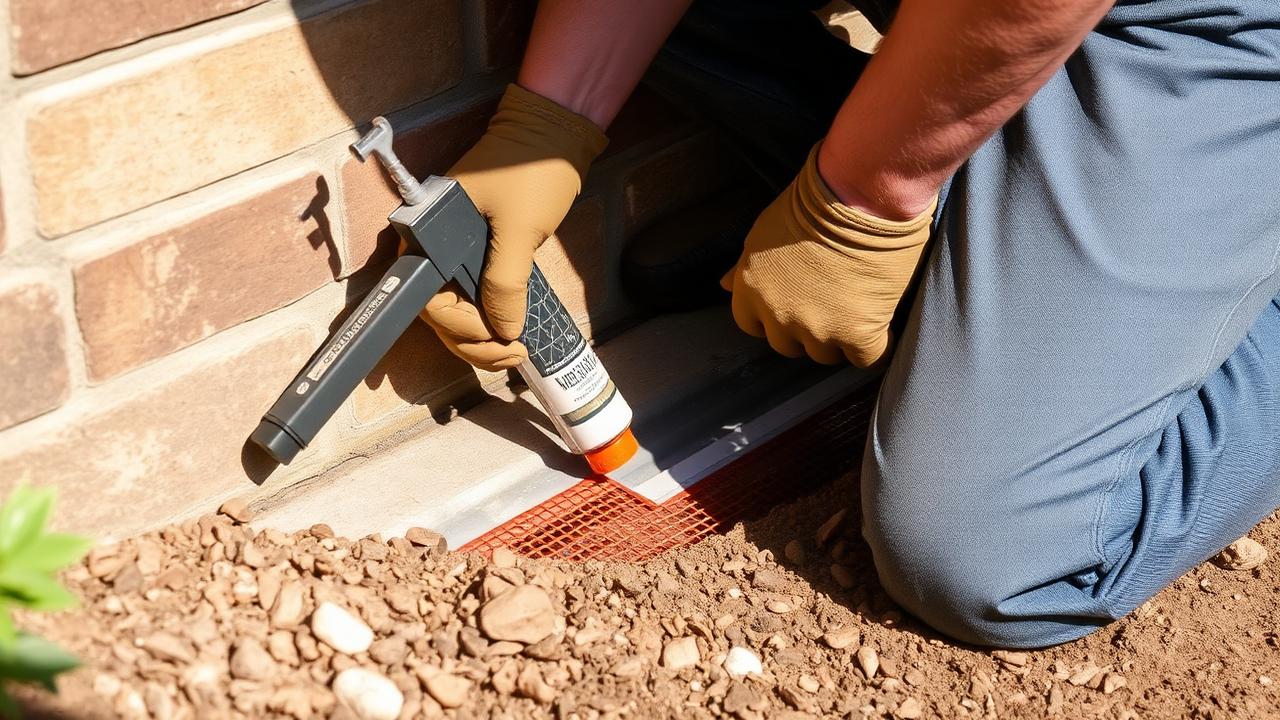
Real exclusion work means copper mesh and sealant at plumbing and gas penetrations, hardware cloth over crawl space vents and weep gaps, new garage door bottom and corner seals, chimney caps, and screening the dryer and bathroom exhaust terminations. On a 1940s Salt Lake bungalow it commonly takes several hours.
Be cautious about interior rodenticide. A rodent that dies inside a wall cavity produces a smell that lasts weeks and can bring in blow flies and dermestid beetles. Most careful technicians use snap traps indoors and reserve tamper-resistant bait stations for the exterior.
Secondary poisoning and pets
Rodenticide moves up the food chain. Owls, hawks, foxes, and neighborhood cats and dogs are all at risk from poisoned rodents, and Utah's raptor populations along the benches are a real consideration.
If bait is used at all, it belongs in locked, anchored tamper-resistant stations placed on the exterior, and the provider should be documenting placements. If a company hands you loose bait blocks to scatter in your crawl space, find another company.
Cleanup after the rodents are gone
Do not sweep or vacuum dry rodent droppings. Aerosolizing them is exactly how hantavirus exposure happens. Ventilate the space, mist the area with a bleach solution or disinfectant, let it sit, then wipe up with paper towels while wearing gloves and an N95.
Contaminated attic insulation is often worth removing and replacing, especially if the infestation ran through a winter. Insulation removal, sanitizing, and re-blowing is a separate service and typically the largest line item in a serious rodent job.
A realistic fall timeline for Salt Lake homeowners
September is the ideal month to seal. Walk the exterior with a flashlight, check the garage door seal, cap the chimney, screen the vents, and cut back the vegetation and woodpile contact with the house before the first freeze pushes anything in.
If activity is already present in November, expect two to four service visits over three to six weeks: initial trapping, follow-up, exclusion work, then a verification visit. A provider who promises a one-visit fix on an active infestation is selling optimism.
Common questions
How long does it take to get rid of mice?
A light infestation caught early usually resolves in two to three weeks with trapping plus sealing. Established populations in an older home with a crawl space can take four to eight weeks and require exclusion work to stay resolved.
Are mice in Utah dangerous?
Deer mice can carry hantavirus, and all rodents can contaminate food and gnaw wiring. The practical risks are food contamination, fire risk from chewed wire, and respiratory exposure during unsafe cleanup.
Does one mouse mean there are more?
In fall, almost always. Mice enter as a population responding to cold, not as individuals. Seeing one in October in a Salt Lake Valley home is a reason to inspect the whole exterior.
Service details by area
Related guides
More reading
Disclaimer
Disclaimer: SLCPestControl.com is a free service to assist homeowners in connecting with local service providers. All contractors/providers are independent and SLCPestControl.com does not warrant or guarantee any work performed. It is the responsibility of the homeowner to verify that the hired contractor furnishes the necessary license and insurance required for the work being performed. All persons depicted in a photo or video are actors or models and not contractors listed on SLCPestControl.com.