Structural protection
Termite Control and Inspection in Utah
Utah homeowners often assume termites are a Southern problem. They are not. Arid-land subterranean termites are native to the Great Basin and active throughout the Salt Lake Valley, and desert subterranean and dampwood species occur elsewhere in the state.
Termite damage is slow, hidden, and usually excluded from homeowners insurance, which is why inspection matters more here than emergency treatment does.
- Inspection cost
- $75–$200, often credited toward treatment; some providers inspect free
- Treatment cost
- $800–$2,500 for liquid soil treatment; $1,200–$3,500 for baiting systems
- Swarm season
- Spring and early summer, typically after warm rain
Signs to look for
- —Pencil-width mud tubes on foundation walls, piers, or crawl space joists
- —Discarded wings on window sills after a warm spring day
- —Wood that sounds hollow when tapped or gives under a screwdriver
- —Blistered or rippled paint on baseboards and trim
- —Bubbling drywall low on an exterior-facing wall
What subterranean termites do in Utah homes
Subterranean termites live in soil colonies and travel to wood through shelter tubes that protect them from dry air. In this climate, they follow moisture — a leaking hose bib, a downspout dumping at the foundation, a poorly graded planter bed, wood siding buried by raised soil.
Arid-land subterranean termites are less aggressive than the Formosan species that make headlines in the Gulf states, but a colony working in a rim joist for eight or ten years unnoticed still produces expensive repairs.
Older neighborhoods with wood-contact construction — the Avenues, Sugar House, Rose Park, and older Murray and Midvale blocks — see more activity than newer subdivisions with proper grade separation.
Swarms are the moment most people find out
Swarming reproductives emerge in spring, often on a warm afternoon after rain, fly a short distance, drop their wings, and pair off. A pile of identical translucent wings on a window sill or in a spider web near a basement window is the classic discovery.
Termite swarmers have two pairs of equal-length wings, a straight-sided body, and straight antennae. Flying ants have a pinched waist, elbowed antennae, and forewings longer than hindwings. Keep a sample — identification determines whether you are calling for termite work or ant work.
Treatment options and how long they last
Liquid soil treatment creates a continuous treated zone in the soil around and beneath the foundation, usually applied by trenching and rodding, and drilling through slabs, patios, and garage floors where needed. Modern non-repellent products are transferred back into the colony. Expect roughly five to ten years of protection.
Baiting systems install stations in the soil around the structure, which are monitored and loaded with a growth regulator that colony members carry back to the nest. They avoid drilling and heavy soil application and are the better choice around wells, high water tables, and complicated hardscape, but they require ongoing monitoring contracts.
Localized treatment of an isolated infestation in a single structural member is sometimes appropriate, but be skeptical if the inspection was superficial.
Inspections, escrow, and real estate transactions
A wood-destroying organism inspection is a common condition in Utah real estate transactions, especially with VA financing. The inspector examines the foundation perimeter, crawl space, garage, attic, and any accessible wood contact, and reports evidence of termites, carpenter ants, and wood-boring beetles as well as conducive conditions.
Get inspections done well before closing. Discovering a treatment requirement in the last week of escrow is one of the more preventable ways for a Utah home sale to become stressful.
Prevention that costs almost nothing
Maintain at least six inches between soil and any wood siding or framing. Do not stack firewood against the house or store lumber directly on soil in a crawl space. Repair leaks, extend downspouts, and grade soil away from the foundation.
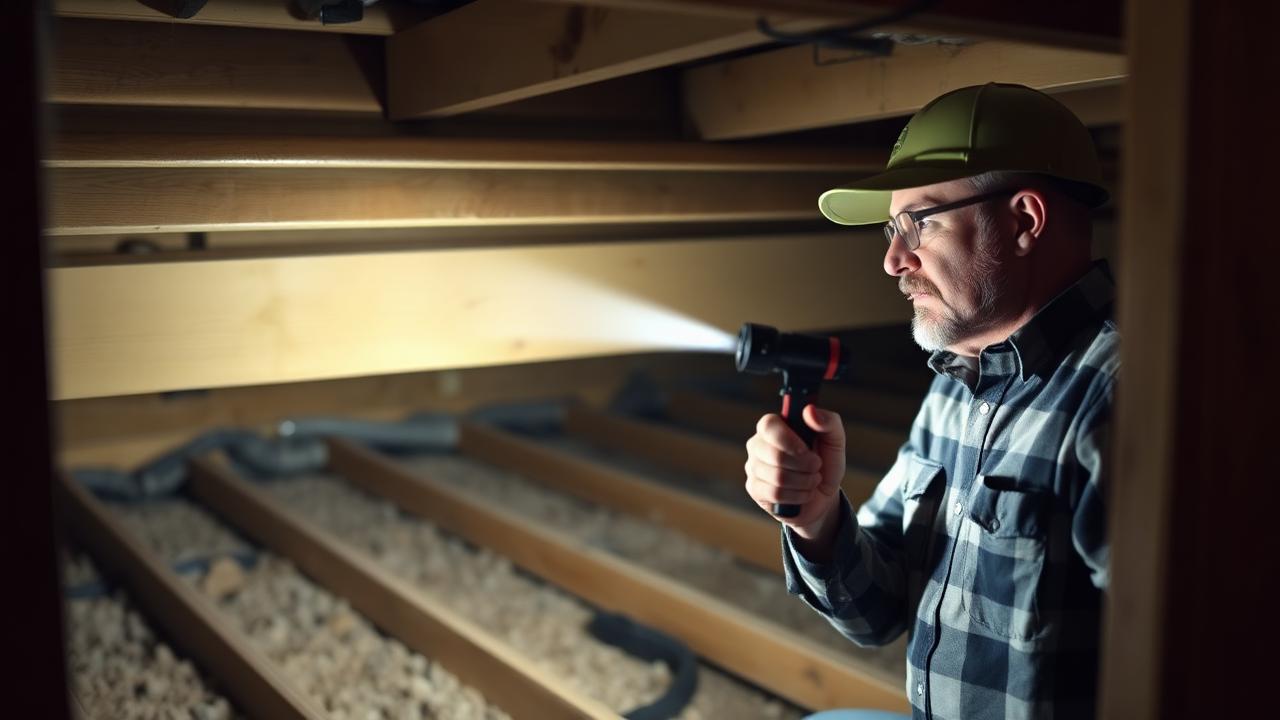
Keep crawl space vents clear and consider a vapor barrier over exposed soil. Check the perimeter once a year with a flashlight and a screwdriver, and pay particular attention to any place where a deck, porch, or planter meets the house.
Common questions
Are there really termites in Salt Lake City?
Yes. Arid-land subterranean termites are native to the Great Basin and are found throughout the Salt Lake Valley, particularly in older neighborhoods with wood in contact with soil or chronic moisture at the foundation.
How much does termite treatment cost in Utah?
Liquid soil treatment generally runs $800 to $2,500 depending on the linear footage of the foundation and how much drilling is needed. Baiting systems typically run $1,200 to $3,500 with an annual monitoring fee.
Does homeowners insurance cover termite damage?
Almost never. Termite damage is considered preventable maintenance, which is the main argument for periodic inspections rather than waiting for visible damage.
Service details by area
Related guides
More reading
Disclaimer
Disclaimer: SLCPestControl.com is a free service to assist homeowners in connecting with local service providers. All contractors/providers are independent and SLCPestControl.com does not warrant or guarantee any work performed. It is the responsibility of the homeowner to verify that the hired contractor furnishes the necessary license and insurance required for the work being performed. All persons depicted in a photo or video are actors or models and not contractors listed on SLCPestControl.com.