Ant control in South Jordan, Utah
Colony-level control for pavement ants, odorous house ants, and carpenter ants — the three that account for nearly every ant call in the valley. If you're dealing with it in South Jordan, the details of where you live matter: Daybreak, Glenmoor, River Park, South Jordan Historic all have their own version of the problem. One call to our free referral line connects you with a licensed, independent provider who already services South Jordan.
Call (844) 578-1906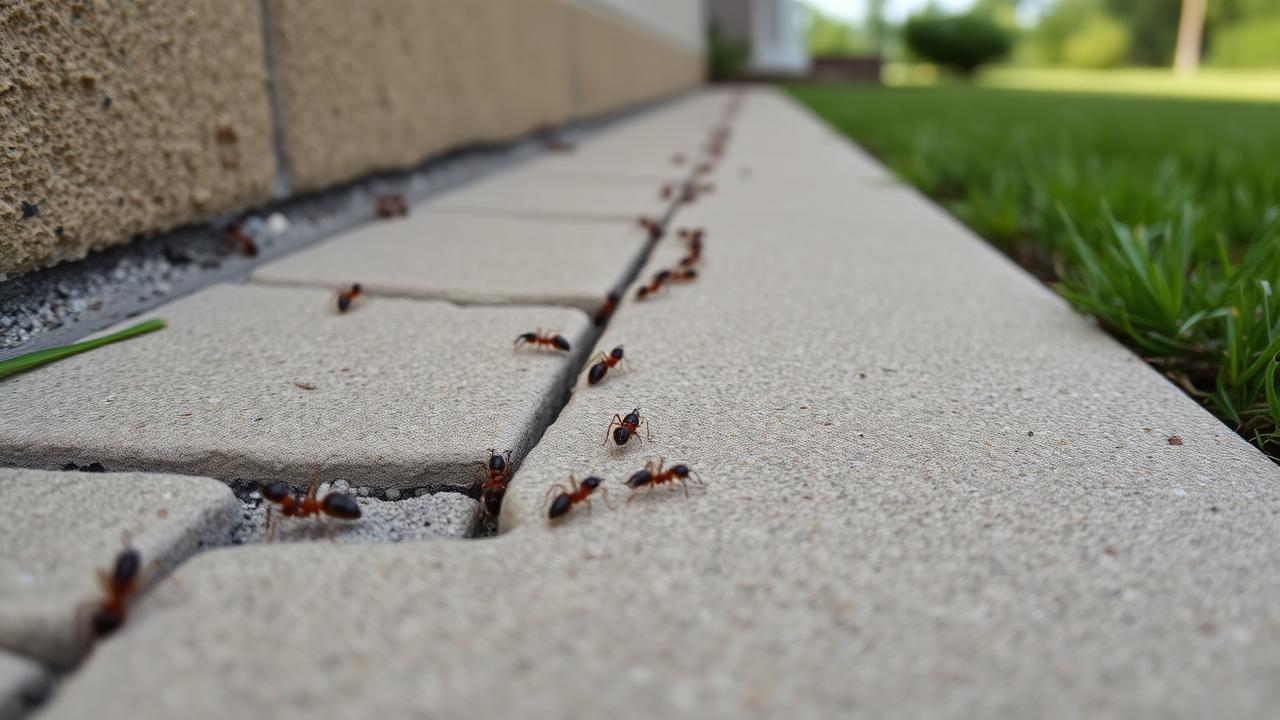
- Typical South Jordan cost
- $150–$275 for a targeted treatment; usually covered under a quarterly programCarpenter ant work costs more when the nest is inside a wall or in wet structural wood and requires drilling and dusting voids.
- When it peaks here
- March through October, with the sharpest spike after the first warm week of spring. Locally, mosquito pressure runs high near the lake and river corridor from June to September. Spring ants show up early in the newer neighborhoods with dense, irrigated landscaping.
Signs South Jordan homeowners notice first
- —Steady trails along a countertop edge, sink, or window frame
- —Fine soil or sand pushed up between sidewalk and driveway joints
- —Coarse sawdust-like shavings near a window sill or deck post
- —Large black ants active indoors at night, especially near plumbing
Why South Jordan sees this
ant pressure in South Jordan tracks the terrain more than anything else. South Jordan straddles the Jordan River in the southwest valley and includes Daybreak, a large master-planned community built around Oquirrh Lake with extensive ponds, wetlands, and constructed water features. Predominantly new construction from the 2000s onward — tight lots, shared side yards, and modern slab or shallow-basement builds — alongside older farm parcels near the historic town center. A technician who works South Jordan regularly will factor both into how they approach ant control on your property rather than running the same route they'd run anywhere else in the valley.
South Jordan homes and how they're built
Predominantly new construction from the 2000s onward — tight lots, shared side yards, and modern slab or shallow-basement builds — alongside older farm parcels near the historic town center. South Jordan straddles the Jordan River in the southwest valley and includes Daybreak, a large master-planned community built around Oquirrh Lake with extensive ponds, wetlands, and constructed water features.
Identify the ant before you treat it
Pavement ants are the small dark ants pushing sand up between driveway slabs and trailing into kitchens in spring; they nest under concrete and rock. Odorous house ants smell faintly like rotten coconut when crushed, form huge multi-queen colonies, and split into satellite nests when they're disturbed — which is exactly what happens when someone sprays them. Carpenter ants are the big ones, and they matter because they excavate galleries in moisture-damaged wood: around a leaking window, under a deck ledger, near a roof leak. The treatment differs for all three, and getting the ID wrong is the most common reason a homeowner's ant problem lasts all summer.
Why store-bought spray makes it worse
Killing the ants you can see does nothing to the queen, and with odorous house ants the repellent effect triggers budding: the colony fragments and you end up with three trails where you had one. Professional control uses non-repellent products the ants can't detect, so they walk through the treated zone and carry it back, plus slow-acting baits chosen for whether the colony is currently after sugar or protein — that preference shifts through the season. The goal is always colony elimination, which means resisting the urge to wipe out the trail you can see, because that trail is the delivery route.
Carpenter ants mean moisture
Carpenter ants don't eat wood; they hollow it out to nest, and they overwhelmingly choose wood that has been wet. Finding them indoors in Salt Lake County usually points at a specific defect: a failed window flashing, a roof or gutter leak, a deck ledger without proper flashing, a swamp cooler line, or a crawlspace with standing moisture. A treatment that doesn't include locating and fixing the moisture source is a temporary fix. Ask the technician to show you where they believe the nest is and what condition made it attractive.
Keeping ants out of the kitchen
Wipe trails with soapy water or vinegar after treatment has been applied — that erases the pheromone path without repelling ants from the bait. Store sugar, honey, syrup, and pet food in sealed containers. Rinse recyclables. Seal the gaps around the sink plumbing and the sill plate where trails come in. Outside, pull mulch and rock back from the foundation, cut branches that touch the roof, and fix irrigation heads that soak the wall — most kitchen ant trails start at a wet spot on the exterior.
Common questions
Why did the ants get worse after I sprayed?
Repellent sprays fragment odorous house ant colonies into satellite nests. You didn't imagine it — spraying genuinely multiplies the trails.
How long does treatment take to work?
Baiting works from the inside out, so trails often look busier for a few days before dropping off. Most colonies collapse within one to two weeks.
Are carpenter ants as bad as termites?
They damage wood more slowly and don't eat it, but they signal a moisture problem that's usually the bigger issue.
Other services in South Jordan
Ant control nearby
Comparing companies first? Browse the Salt Lake pest control directory.
Disclaimer
Disclaimer: SLCPestControl.com is a free service to assist homeowners in connecting with local service providers. All contractors/providers are independent and SLCPestControl.com does not warrant or guarantee any work performed. It is the responsibility of the homeowner to verify that the hired contractor furnishes the necessary license and insurance required for the work being performed. All persons depicted in a photo or video are actors or models and not contractors listed on SLCPestControl.com.