South Salt Lake · Spider control
Spider control in South Salt Lake, Utah
Web removal, perimeter treatment, and prey reduction — the combination that actually lowers spider counts, because spiders follow the insects they eat. If you're dealing with it in South Salt Lake, the details of where you live matter: Central Pointe, Granite, Millcreek Commons, Industrial District all have their own version of the problem. One call to our free referral line connects you with a licensed, independent provider who already services South Salt Lake.
Call (844) 578-1906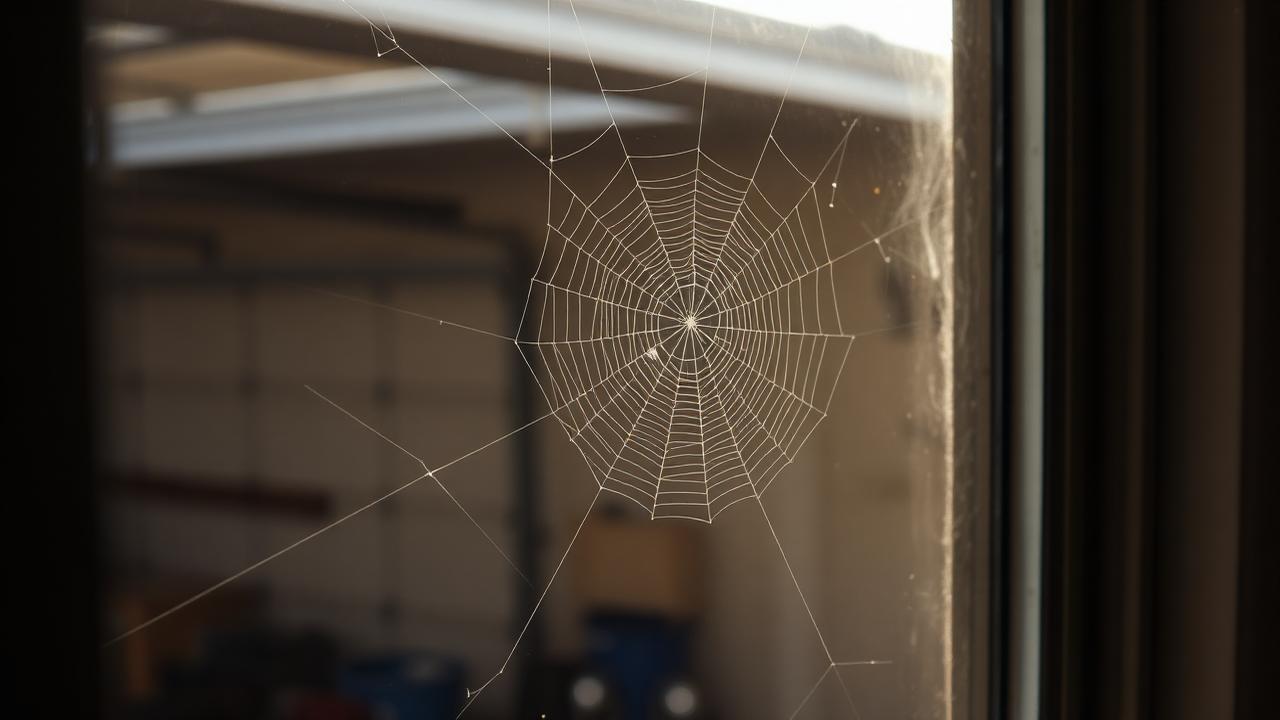
- Typical South Salt Lake cost
- $120–$200 for a targeted treatment; usually included in a quarterly programSpider-specific pricing is rare — most Utah companies treat spiders under a general program, with de-webbing on every visit.
- When it peaks here
- Late July through October, when males wander looking for mates. Locally, rodent pressure is steady year-round because of the food-service and warehouse density. Cockroach and bed bug calls in older rentals don't follow much of a season at all.
Signs South Salt Lake homeowners notice first
- —Funnel webs in window wells, garage corners, and rock landscaping
- —Wandering spiders indoors in September and October
- —Egg sacs tucked under eaves, patio furniture, and deck rails
- —Webs returning within a week of being cleared
Why South Salt Lake sees this
spider pressure in South Salt Lake tracks the terrain more than anything else. South Salt Lake is the county's most mixed-use city — light industrial and warehouse blocks sitting immediately alongside older residential streets, with rail lines and the Jordan River corridor forming the western edge. Small pre-1960 homes on compact lots, older apartment buildings, and a growing number of new mid-rise rentals near the TRAX corridor. A technician who works South Salt Lake regularly will factor both into how they approach spider control on your property rather than running the same route they'd run anywhere else in the valley.
South Salt Lake homes and how they're built
Small pre-1960 homes on compact lots, older apartment buildings, and a growing number of new mid-rise rentals near the TRAX corridor. South Salt Lake is the county's most mixed-use city — light industrial and warehouse blocks sitting immediately alongside older residential streets, with rail lines and the Jordan River corridor forming the western edge.
Which spiders actually matter in Utah
Most of what people find indoors along the Wasatch Front is harmless: cellar spiders in basements, funnel weavers in window wells, jumping spiders on sunny walls, and the large wolf spiders that startle people every fall. Utah does have black widows, and they're common — under deck boards, in window wells, in stacked bricks, in the corners of unused garages and sheds. Hobo spiders are present but their reputation is overstated; the necrotic-bite claim was never substantiated and the CDC withdrew it. Brown recluse are not established in Utah, despite how often people report them. A technician who takes the time to correctly identify what you have is worth more than one who just sprays.
Why de-webbing is half the job
Spiders walk on their web, not on the surface you treated, so a residual applied under an eave doesn't necessarily contact them. Physically removing webs and egg sacs does three things: it eliminates the next generation, it forces spiders onto treated surfaces to rebuild, and it gives you an obvious visual check on whether new activity has started. Any spider service that doesn't include a pole de-web of eaves, soffits, window wells, and porch corners is leaving the most effective part of the work undone.
Cut the food supply and lighting
Spiders are opportunists — they set up where insects concentrate. The biggest driver on most homes is exterior lighting: bright white porch and garage lights pull in midges, moths, and crickets all night, and the spiders follow. Switching to warm-toned or amber LED bulbs, or moving the light away from the door, produces a genuinely noticeable drop in web building. Beyond that, clear leaf litter from window wells, pull rock and mulch a few inches off the foundation, and keep firewood and stacked materials away from walls.
The fall wandering season
The surge of spiders in the house in September isn't an invasion from outdoors so much as mature males leaving their webs to find females, plus outdoor species pushed in by the first cold nights. It's predictable, it happens every year along the benches and canyon-adjacent neighborhoods, and it's the reason most Utah homeowners want their fall service done in late August or early September rather than October. Timing the treatment ahead of the wander is far more effective than reacting after they're inside.
Common questions
Are hobo spiders dangerous?
Current evidence says no. The CDC removed hobo spiders from its list of medically significant spiders after the necrotic-bite research failed to replicate.
How do I know if it's a black widow?
Glossy black, roughly half an inch of body, with a red or orange hourglass on the underside of the abdomen. The web is messy and irregular, not a neat orb, and it's usually low and in a protected space.
Will one treatment stop them?
It knocks the population back, but during fall wandering season you'll still see occasional strays. Treatment plus de-webbing plus lighting changes is what produces a lasting drop.
Other services in South Salt Lake
Spider control nearby
More reading
Comparing companies first? Browse the Salt Lake pest control directory.
Disclaimer
Disclaimer: SLCPestControl.com is a free service to assist homeowners in connecting with local service providers. All contractors/providers are independent and SLCPestControl.com does not warrant or guarantee any work performed. It is the responsibility of the homeowner to verify that the hired contractor furnishes the necessary license and insurance required for the work being performed. All persons depicted in a photo or video are actors or models and not contractors listed on SLCPestControl.com.