Salt Lake City · Rodent control
Rodent control in Salt Lake City, Utah
Trapping plus exclusion — sealing the gaps mice and rats actually use — because trapping alone just makes room for the next one to move in. If you're dealing with it in Salt Lake City, the details of where you live matter: The Avenues, Sugar House, Liberty Wells, Rose Park all have their own version of the problem. One call to our free referral line connects you with a licensed, independent provider who already services Salt Lake City.
Call (844) 578-1906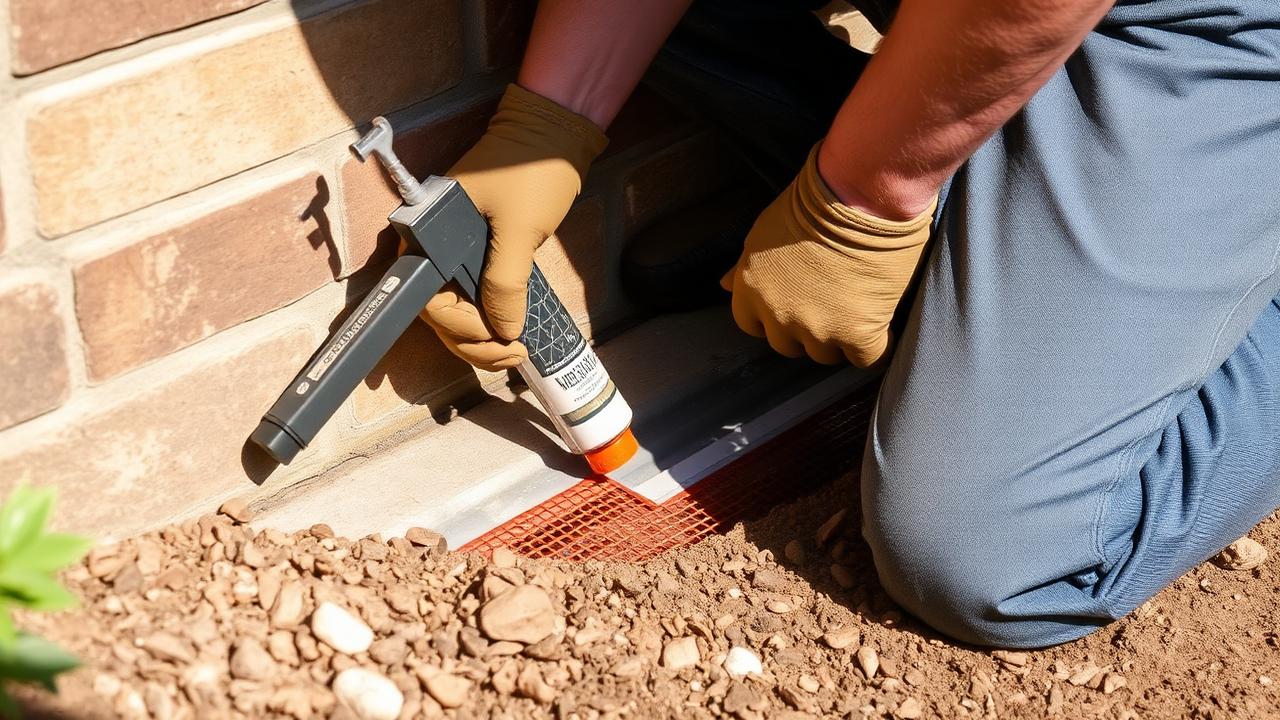
- Typical Salt Lake City cost
- $250–$600 for an initial trapping and exclusion visitExclusion labor is the variable. Sealing a handful of foundation penetrations is quick; screening a whole crawlspace vent line or re-flashing a roofline is a bigger job and gets quoted separately.
- When it peaks here
- Heaviest October through February, when field cover dies back. Locally, ant trails start in late March on the west side and a couple of weeks later on the benches. Spiders wander indoors from late August. Mice show up reliably with the first hard frost in October.
Signs Salt Lake City homeowners notice first
- —Dark, rice-grain droppings under the sink or along wall edges
- —Scratching or scurrying in walls or above the ceiling at night
- —Gnaw marks on food packaging, wiring, or door corners
- —Greasy rub marks along baseboards and joists
- —A pet that suddenly fixates on one spot of wall
Why Salt Lake City sees this
Century-old east-side homes are the hardest rodent exclusion work in the county: rubble-stone foundations, coal chutes bricked over decades ago, and porch skirting that was never sealed. Mature fruit trees in Avenues and Liberty Wells yards keep pressure high through the fall.
Salt Lake City homes and how they're built
Brick bungalows and Victorians from the 1900s through the 1930s dominate the Avenues, Liberty Wells, and Sugar House, which means stone foundations, unfinished basements, crawlspaces, and the small gaps that come with a century of settling. Rose Park and Glendale are mostly postwar ranches, and downtown adds dense multifamily where shared walls matter. The city runs from the Jordan River on the west up to the Wasatch foothills on the east, and that four-mile climb changes the pest picture completely. Canyon mouths at City Creek, Emigration, and Parleys funnel insects and rodents down into the east-side neighborhoods, while the low west side sits closer to the river corridor and its year-round water.
Exclusion is the actual fix
A house mouse fits through a hole the size of a dime; a young rat manages a quarter. Any rodent program that consists only of setting traps or dropping bait stations is treating the symptom. The durable fix is exclusion: sealing utility penetrations with copper mesh and sealant, fitting door sweeps, screening crawlspace and foundation vents, capping gaps at the garage door corners, sealing where the dryer vent and hose bibs pass through, and closing the gap where the roofline meets fascia. A good technician will walk your foundation with a flashlight and show you every opening they intend to close before they quote it.
Traps, bait, and why placement outranks product
Snap traps set perpendicular to a wall, trigger toward the wall, in the runway where droppings are heaviest, catch more mice than a dozen traps scattered in the middle of a room. Rodents travel edges and rarely cross open floor. Bait stations belong outside, locked and anchored, never loose inside a home where a pet or child can reach them. Interior baiting also risks a rodent dying in a wall void, which is a smell you'll live with for two or three weeks. Most professionals in Utah use interior trapping plus exterior stations for that reason.
Cleanup matters for health reasons
Deer mice in Utah can carry hantavirus, which is why you should never sweep or vacuum dry droppings — that aerosolizes the particles you're trying to avoid. Spray the area with a 1:10 bleach solution or a disinfectant, let it sit five minutes, wipe up with paper towels while wearing gloves, and bag the waste. In attics with heavy contamination, providers will quote insulation removal and sanitizing as a separate service, and in a bad infestation it's worth doing.
Yard conditions that invite rodents in
Bird feeders are the number one attractant in valley neighborhoods — spilled seed feeds an entire population. Fallen fruit under apricot, apple, and plum trees is a close second, particularly in older east-side yards. Woodpiles against the house, dense ivy or juniper against the foundation, uncovered compost, and pet food left out overnight all keep pressure high. Clean those up and the exclusion work you paid for will hold much longer.
Common questions
How long does it take to get rid of mice?
An active interior mouse problem is usually resolved in two to four weeks — an initial visit, then one or two follow-ups to clear traps and confirm no new activity.
Do ultrasonic repellers work?
No. They've been tested repeatedly and rodents habituate within days, if they respond at all.
Is exclusion included in the price?
Sometimes minor sealing is included; extensive work is almost always quoted separately. Get the scope in writing so you know which openings are actually being closed.
Other services in Salt Lake City
Rodent control nearby
More reading
Comparing companies first? Browse the Salt Lake pest control directory.
Disclaimer
Disclaimer: SLCPestControl.com is a free service to assist homeowners in connecting with local service providers. All contractors/providers are independent and SLCPestControl.com does not warrant or guarantee any work performed. It is the responsibility of the homeowner to verify that the hired contractor furnishes the necessary license and insurance required for the work being performed. All persons depicted in a photo or video are actors or models and not contractors listed on SLCPestControl.com.